Adolescence — spanning puberty to adulthood — is one of the most dynamic periods of human development and growth, second to only infancy when it comes to brain development.
As children reach puberty, they are launched into a period of rapid physical, cognitive and psychosocial growth, which includes intense and unpredictable emotional changes. But while adolescence is often considered a time of turmoil and risk for young people, it is more accurately described as a rich window of opportunity for positive, lifelong impact.
According to the World Health Organization, “during this phase, adolescents establish patterns of behaviour — for instance, related to diet, physical activity, substance use, and sexual activity — that can protect their health and the health of others around them, or put their health at risk now and in the future.”
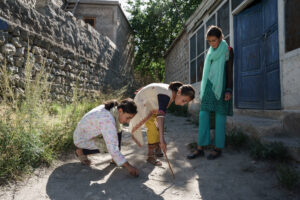
But in Pakistan, where every fifth person in its 255 million population is in the 10-19 age group, there remains a lack of health services and support tailored to adolescents.
Social stigma around talking about health fuels communication gaps between adolescents and their parents, so adolescents often seek informal information sources that negatively impact their well-being.
Gender also plays a role in the challenges faced by adolescents in Pakistan — for example, boys are traditionally expected to become the sole providers for their future families, which can lead to stress and anxiety. For girls, pervasive gender stereotypes can limit their mobility outside the home, making it difficult to access health information.
In the mountainous regions of northern Pakistan, such as Gilgit-Baltistan and Chitral, life for adolescents is also shaped by isolation. The remote and challenging terrain means that young people often grow up in environments where there are few, if any, opportunities to learn, develop, and socialize outside of school — especially for girls. In Gilgit-Baltistan and Chitral, youth suicide is also a serious concern.
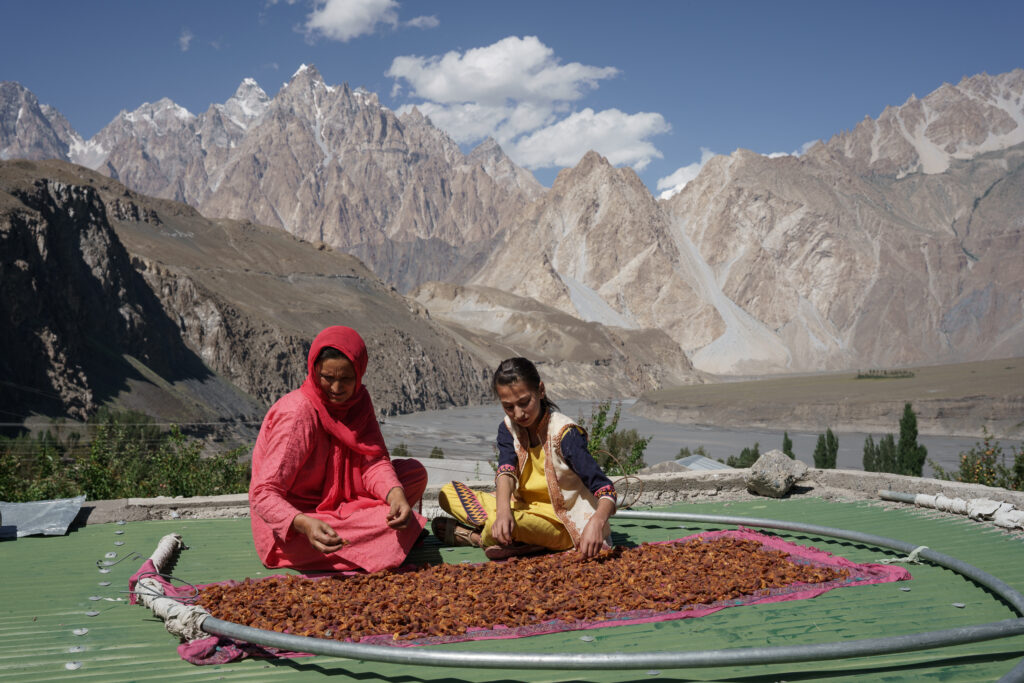
In Hussaini, a village in Gilgit-Baltistan, Adolescent-Friendly Safe Spaces play a critical role, combining health education with life skills and psychosocial support.
In partnership with Global Affairs Canada and Aga Khan Foundation, 200 safe spaces have been established in northern Pakistan since 2020, under the Foundations for Health and Empowerment program. These spaces are designed to support what the World Health Organization has identified as the five interconnected elements of adolescent well-being: good health and nutrition; connectedness, positive values, and societal contributions; safety and supportive environments; education and skills; and agency and resilience.
Implemented by the Aga Khan Rural Support Programme (AKRSP), an initiative of AKF, these safe spaces are focused on improving parent-child communication, promoting positive health and nutrition behaviours, increasing awareness on physical and mental health, and supporting social inclusion and . Topics also include decision-making, conflict management, healthy stress management habits, and building trust and teamwork.
Watch this short film to learn about these spaces and hear from some of the young people who take part.
Community members, trained by AKRSP, work with mentors and facilitators to ensure that these inclusive environments are centred around adolescent needs and experiences, and tailored to different age groups and community contexts. Safe spaces for girls, boys, and parents also provide opportunities to understand and explore sensitive topics, share concerns, and access relevant, quality information to support adolescent needs.
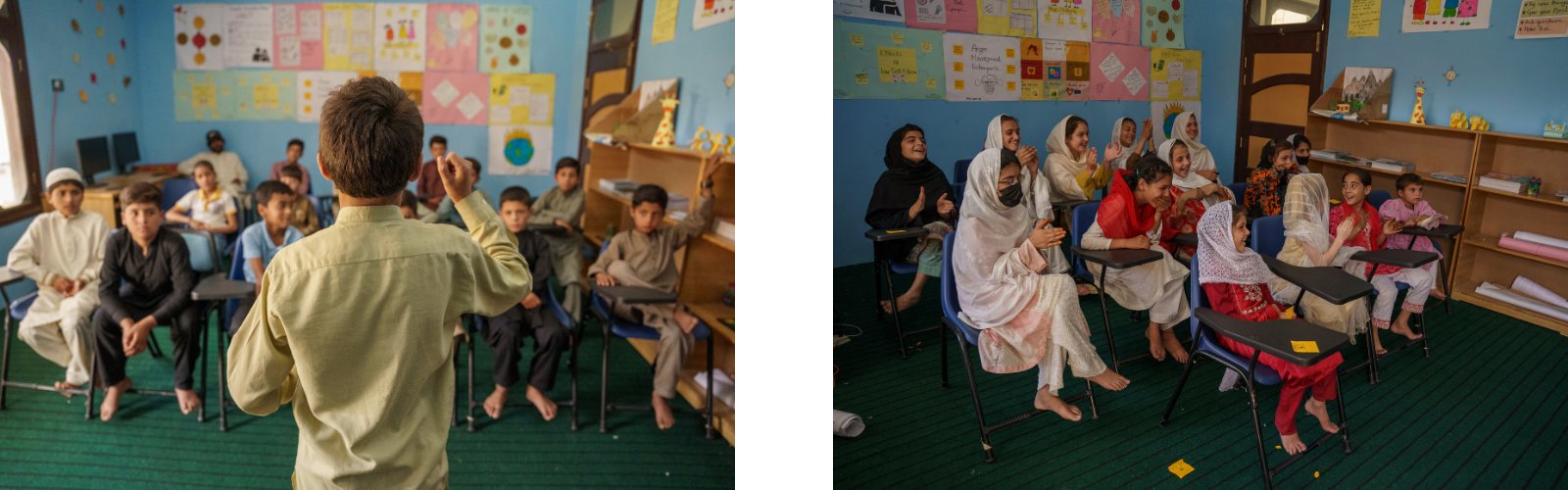
“Before attending the sessions, we used to fight with each other, didn’t give respect to our elders, and used inappropriate language,” said Ali, an adolescent boy who participates in a safe space in Hussaini.
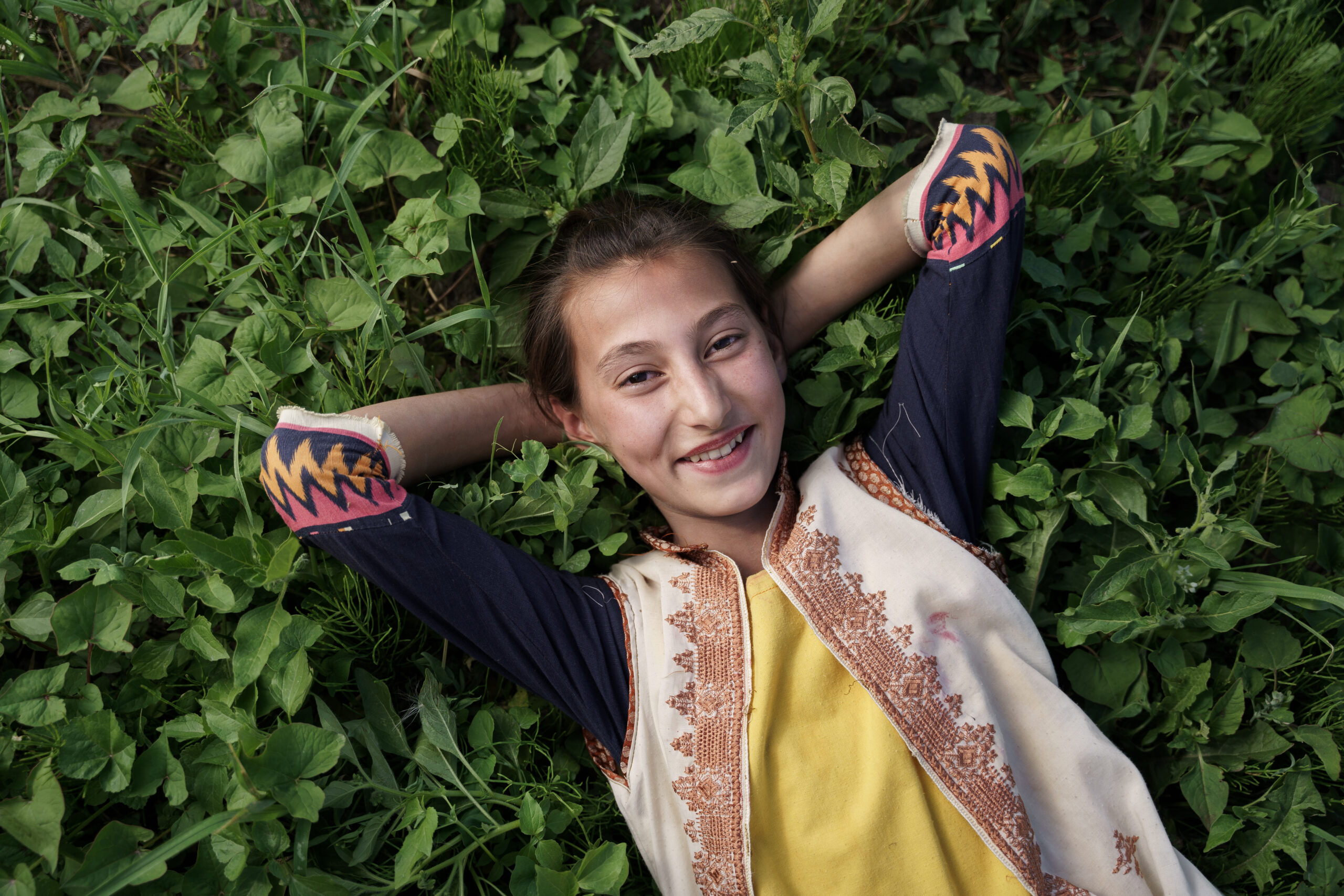
“I learned a lot,” said Atila, an adolescent girl participant. “One of the [lessons] was about communicating with adults… I am applying this in my daily life, like communicating [better] with my parents. Before this session, I wasn’t able to.”
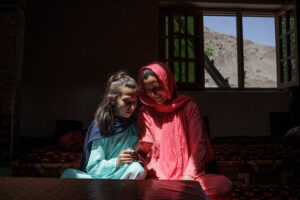
By learning skills like how to communicate effectively and how to understand and regulate emotions, adolescents in Pakistan are developing confidence and resilience. These skills are linked to improved health outcomes, where young people are better able to advocate for their own well-being, build respectful social networks, and prepare for adulthood.
“We didn’t know any of this in our times,” said Sultana, Atila’s mother. “This is a really good thing for them. In this class, they learn everything… Atila teaches me some things she learns [at the adolescent spaces] too.”
For Atila, the safe space is helping her think about her dreams and what she wants to do when she’s older.
“I think that if I’m honest, truthful, and faithful, then I can be a good human being,” says Atila. “I want to become a lawyer in the future because I want to help people.”
This story is part of AKFC’s Foundations for Health and Empowerment (F4HE) program, supported by Global Affairs Canada. F4HE aims to improve the health and wellbeing, and enhance the equitable development and empowerment, of women, girls, their families, and their communities in Afghanistan, India, Kyrgyz Republic, Pakistan, and Tajikistan.