Muhammad is a development professional from Alberta, who participated in AKFC’s Canadian Development Exchange. In a conversation with AKFC, he shared some insights and reflections from his experience.
When Muhammad first applied for AKFC’s Canadian Development Exchange (CADEX), he didn’t expect the opportunity to turn into a two-year journey through East Africa and Central Asia.
“I was just finishing my Masters,” he said. “But I knew I wanted to get involved with AKF. I knew what AKF stood for — during my degree, we did case studies on AKF and the AKDN. So when I saw the CADEX posting, I thought, let’s just see what happens.”
Muhammad’s CADEX position took him from Edmonton to Nairobi, Kenya in 2023, where he worked on the Advancing Gender Equality through Civil Society (AGECS) component of the Foundations for Education and Empowerment program, supported by Canada. AGECS aims to address sociocultural barriers to gender equality by working with local civil society organizations.
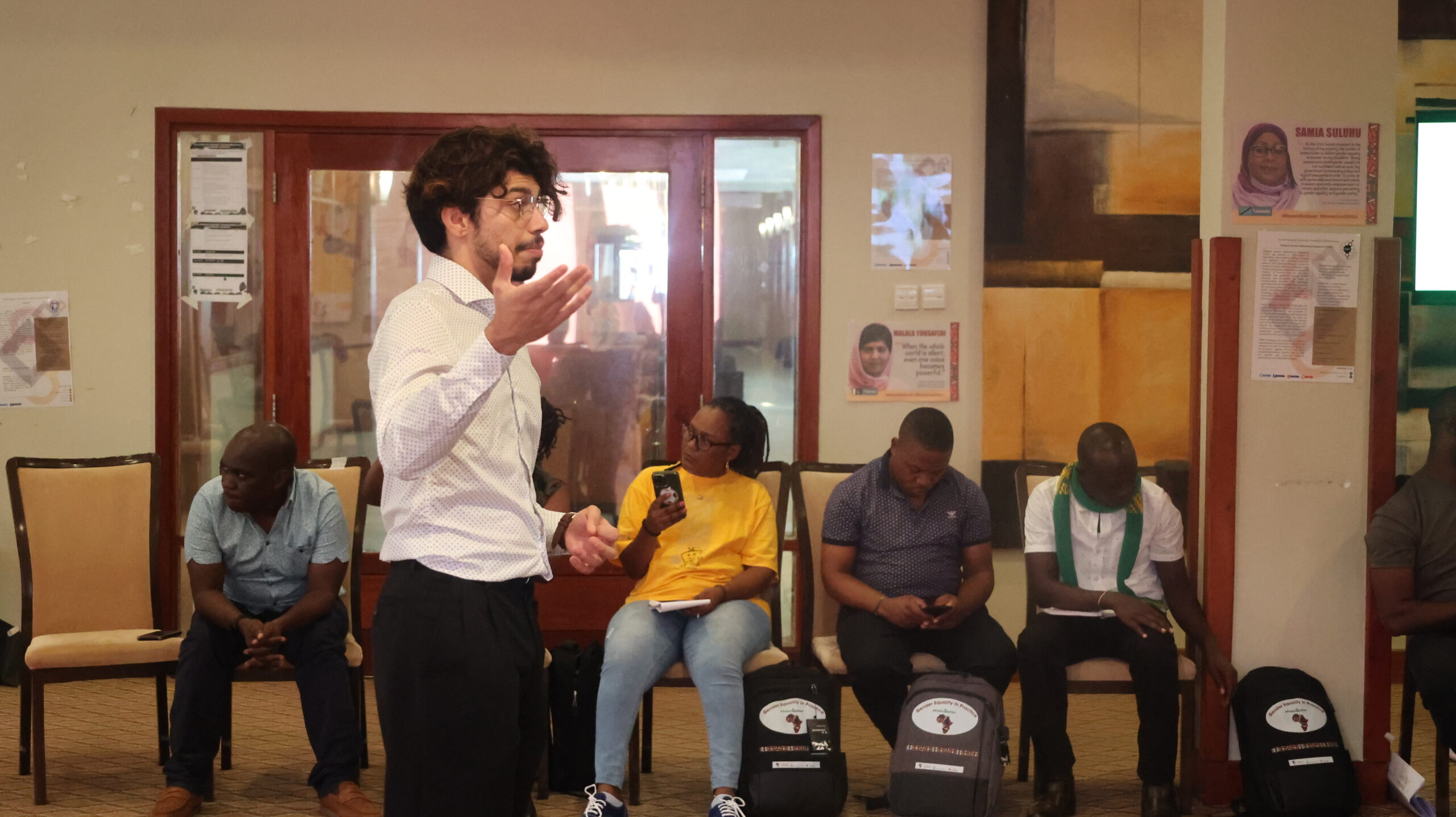
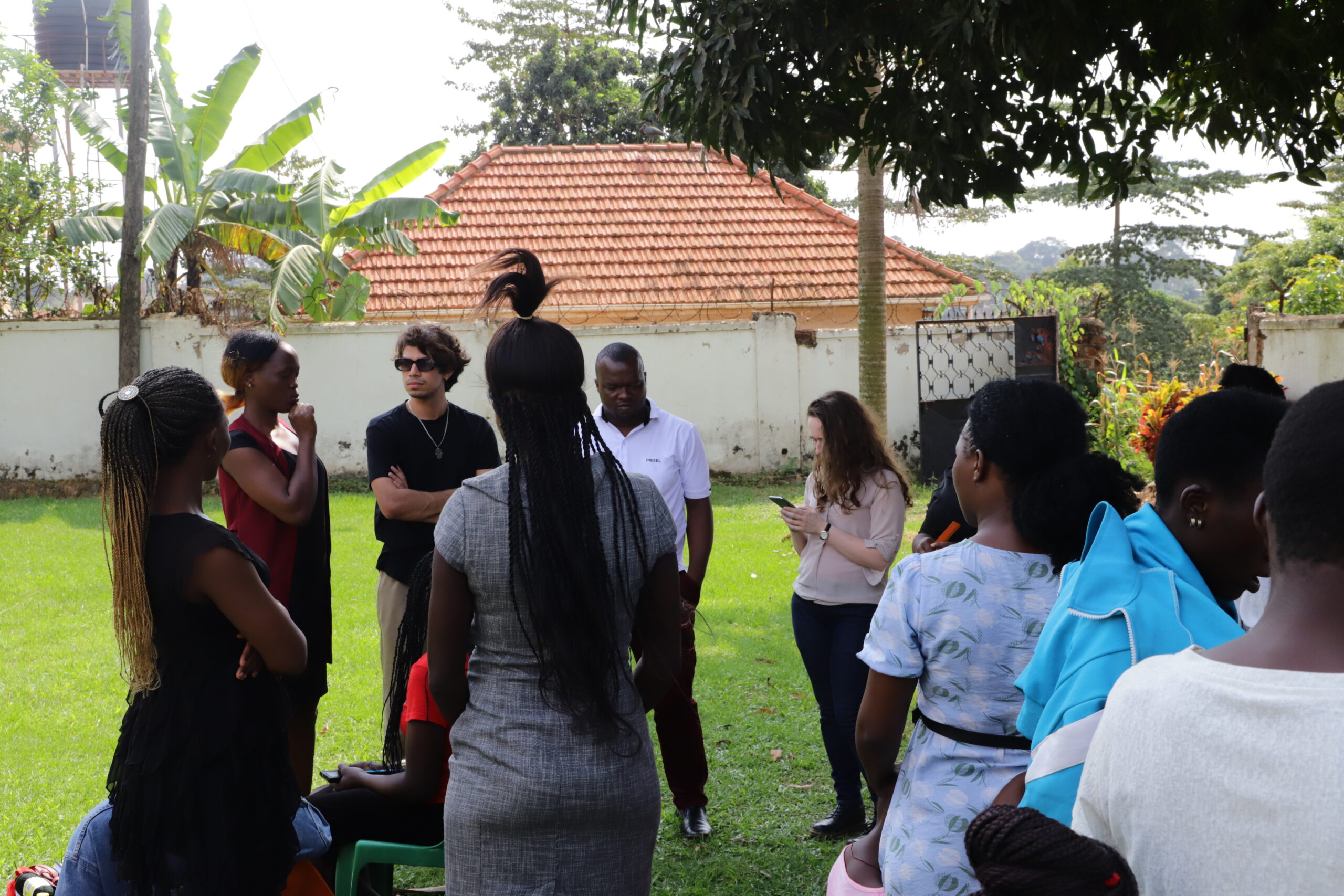
During Muhammad’s time in Nairobi, he worked closely with local organizations to support project documentation and strengthening their capacity to tell their own stories.
“Before I got into this work, I didn’t even know what ‘enhancing capacity’ meant,” Muhammad laughed. “But now it’s second nature — it’s about ensuring that local civil society organizations have the tools and confidence to record and document their stories in the way they want.”
After his time in East Africa, Muhammed transitioned into a regional role in Central Asia, supporting AGECS in Afghanistan, India, the Kyrgyz Republic, Pakistan, and Tajikistan.
“Back in East Africa, I was working on the ground for documentation and going to meet partners. In Central Asia, I was asked to step in as Regional Grant Manager, so I look more at the bigger picture, guiding local teams and trying to understand the priorities for AGECS documentation here.”
Working across these two regions has given Muhammad a unique vantage point for the complexities of tackling gender equality in different contexts.
“In East Africa, there was more openness to discussing feminism and gender rights. In parts of Central Asia, the approach has to be more nuanced, especially given political and social restrictions,” said Muhammad. But in both places, there are deep-rooted examples of empowerment — in traditions, folklore, and even faith — that we can build on.”
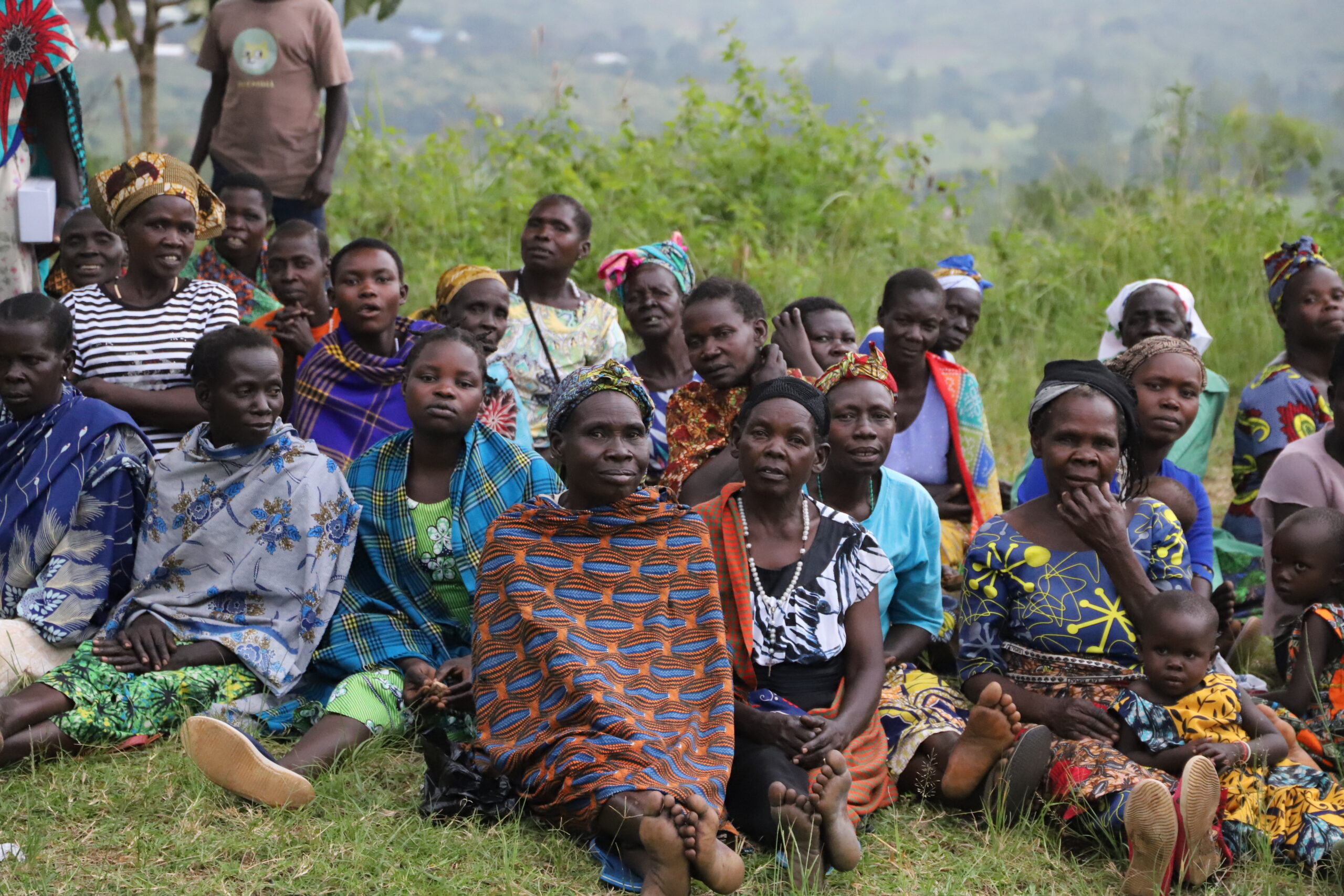
“A commonality that I noticed while working on gender equality projects in these two parts of the world is the importance of cultural traditions. Gender equality is a sensitive topic, and it often requires unlearning or recognizing ‘faults’ within your own culture, which can be uncomfortable. But there can be multitudes of examples of gender equality and women’s empowerment in a community’s history, local traditions, folklore — it’s not always a foreign concept. It’s how we frame it that’s been the bulk of the work.”
For Muhammad, the strength of activities like AGECS lie in its approach of grounding projects in local realities and centering the perspectives of community partners. One particular AGECS project that came to mind was eMANcipation, a project in Kyrgyz Republic that focused on engaging men in early childhood development, to reduce the load of unpaid care work which typically falls to women.
“What made it powerful was that it wasn’t designed from the outside,” he explained. “It was created by the community, for the community. Our local partners realized that unpaid care work was a major challenge, so they decided to work directly with fathers to challenge stereotypes and help break cycles of inequality.”
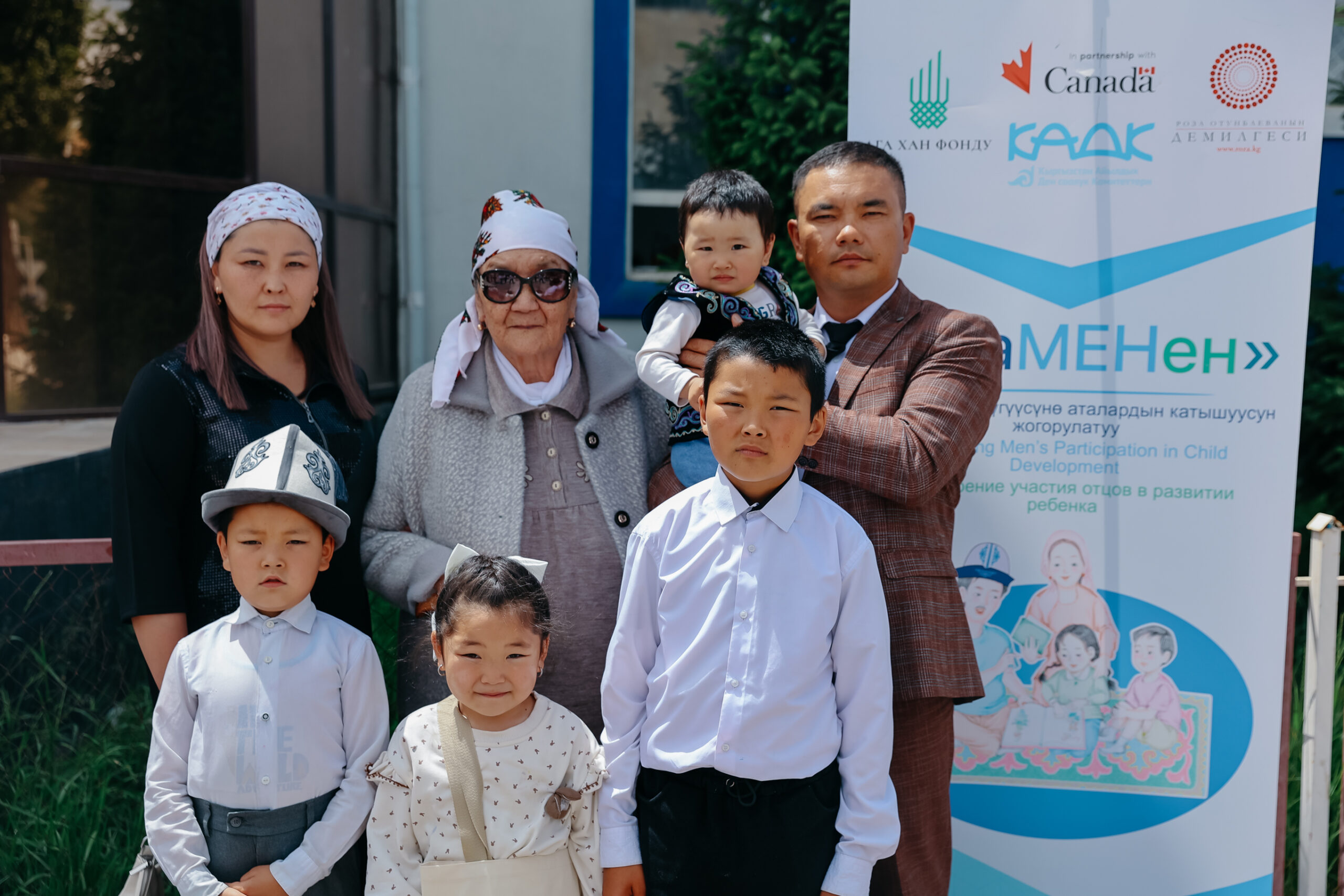
“In Canada, we’re more used to the idea of unpaid care work and may not have focused on this — if we approached AGECS from a Canadian perspective, I think the project might have looked very different and it might not have been embraced by the community in the way that it has.”
For Muhammad, his CADEX experience has helped deepen his understanding of what it means to be Canadian — and what it means to be part of a global community.
“[In Canada], we’re taught from a young age that we’re citizens of the world,” he said. “And I think that’s important when thinking about Canadian contributions to humanity. Canada is home to so many people from around the world, and we’re so connected to the world. When I think about Canadian values, one of the things I think about is ensuring that everyone has access to basic needs. And this is where I think international development fits in. Canada has a long history of being a leader in international development, and I think we should be proud of that.”
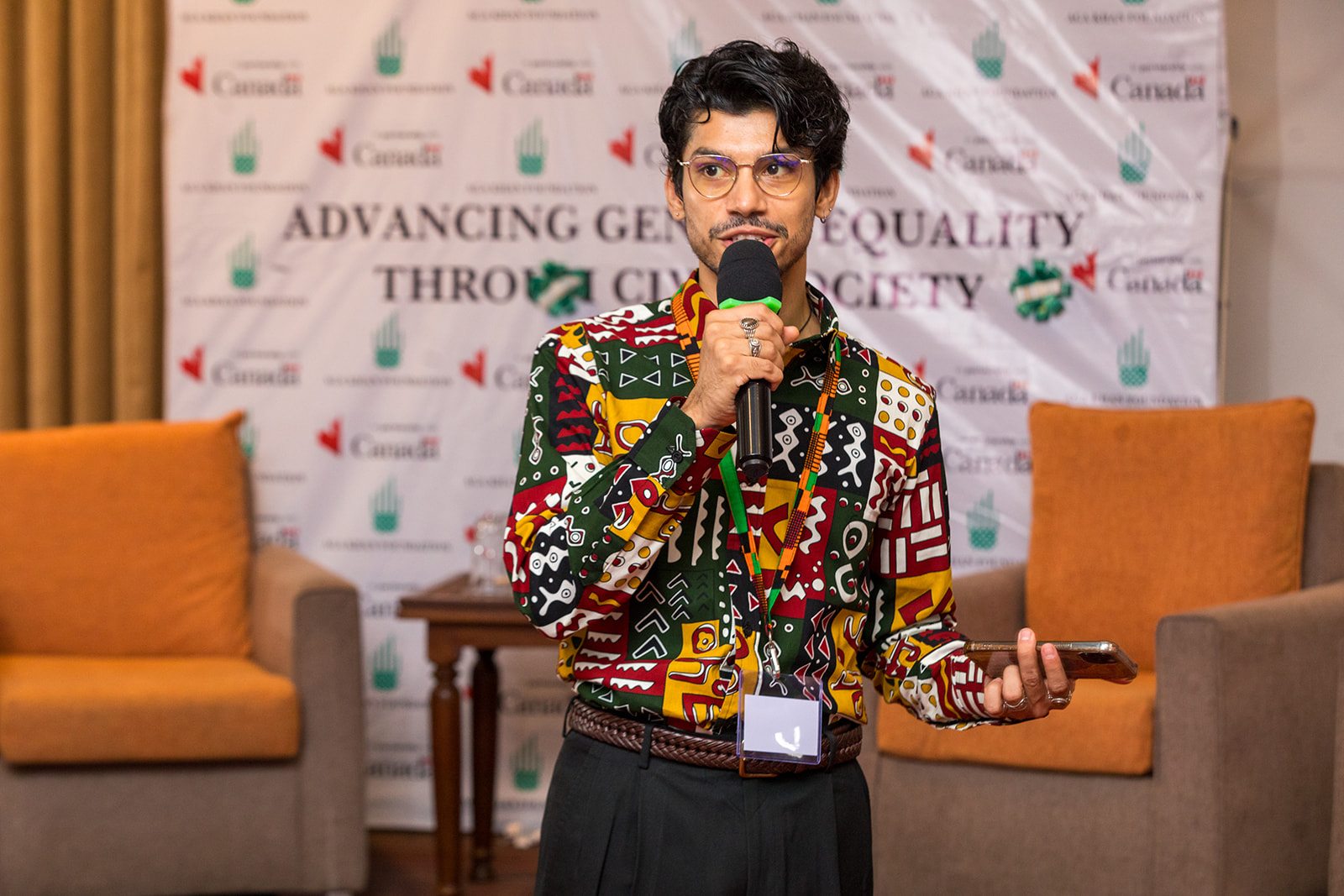
“A more stable, resilient world benefits us all — global issues will impact us in one way or another. It’s so important to remember that helping other communities is not a zero-sum game. We all benefit when we all thrive.”
For Muhammad, the CADEX program is an illustration of this reciprocity and mutual benefit when people come together.
“CADEX isn’t just about sending Canadians abroad to share skills one-way,” added Muhammad. “There’s a mutual cycle of skill-sharing and learning. Because of CADEX, I’ve been able to learn new skills, and new perspectives, and apply them in different aspects of my work.”
AKFC’s Canadian Development Exchange is one of Aga Khan Foundation Canada’s wide range of opportunities for people from Canada to exercise and express their global citizenship. Learn more about CADEX.