A seat at the table: Women leaders driving inclusive change in India
Women’s equal participation and leadership in political and public life are essential to building a sustainable and inclusive world. Yet
The challenge: Effective and efficient civil society organizations have been a hallmark of successful societies, whether it is in the form of farmer’s federations, arts clubs, or other non-governmental organizations. Civil society is when citizens come together to express their shared values and interests and take action for the public good. But around the world, trends indicate that the environment for civil society is becoming more restrictive, while funding – especially for women’s organizations – is decreasing. This is at a time when civil society is needed more than ever, to provide a safeguard against instability and exclusion and help to achieve the Sustainable Development Goals.
Our solution: We support diverse and active civil society at all levels, from school committees in rural villages to world-class research institutes in urban hubs. Our programs underwrite greater competency, legitimacy, accountability, and sustainability within civil society, which translates to long-term gains across our program areas. All this work is underpinned by a commitment to gender equality and pluralism, to ensure that all voices are heard and valued. A robust, efficient civil society – increasingly funded by local sources – is a key driver of the overall quality of life, both in developing and developed countries.
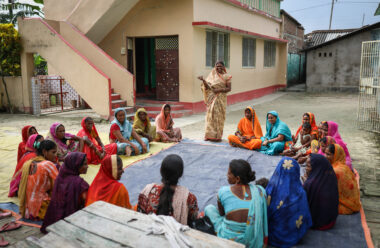
Women’s equal participation and leadership in political and public life are essential to building a sustainable and inclusive world. Yet
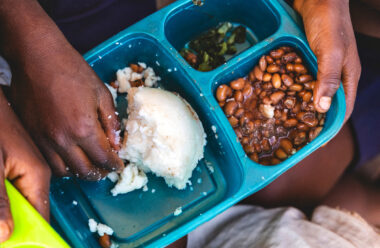
Globally, 273 million children and youth are out of school due to factors like conflict, poverty, and sociocultural norms. In
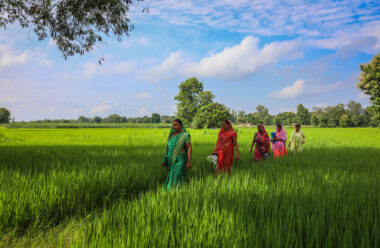
Across rural India, the face of local governance is shifting. For generations, women have been the backbone of families and
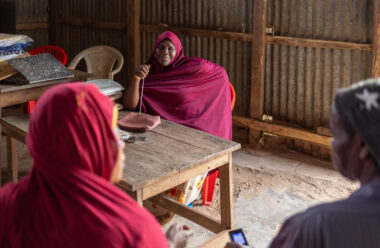
Along a dusty road and under the blazing sun, Coletha walks door to door, visiting homes around Nanyati, a village
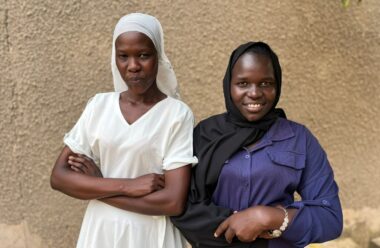
This article was written by Joy Stalteri-Roberts, an AKFC International Youth Fellow who is currently working in Uganda. Based on

Kayla Mudaliar is currently working as a Partnership Fellow as part of AKFC’s International Youth Fellowship. Read her Dispatch from
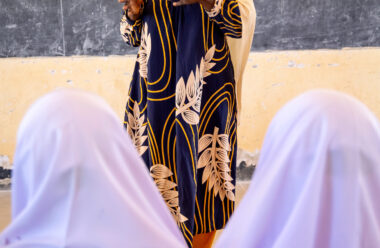
In many rural Tanzanian communities, deeply rooted gender norms continue to limit women’s economic and social agency. But in Mtwara,
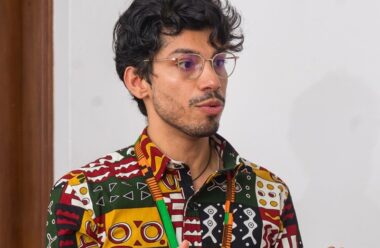
Muhammad is a development professional from Alberta, who participated in AKFC’s Canadian Development Exchange. In a conversation with AKFC, he
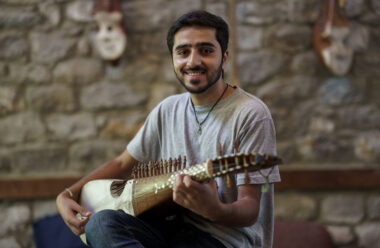
Cultural heritage provides a sense of belonging and continuity, connecting people with their past, and shaping their future. Hunza is