This article was written by Joy Stalteri-Roberts, an AKFC International Youth Fellow who is currently working in Uganda.
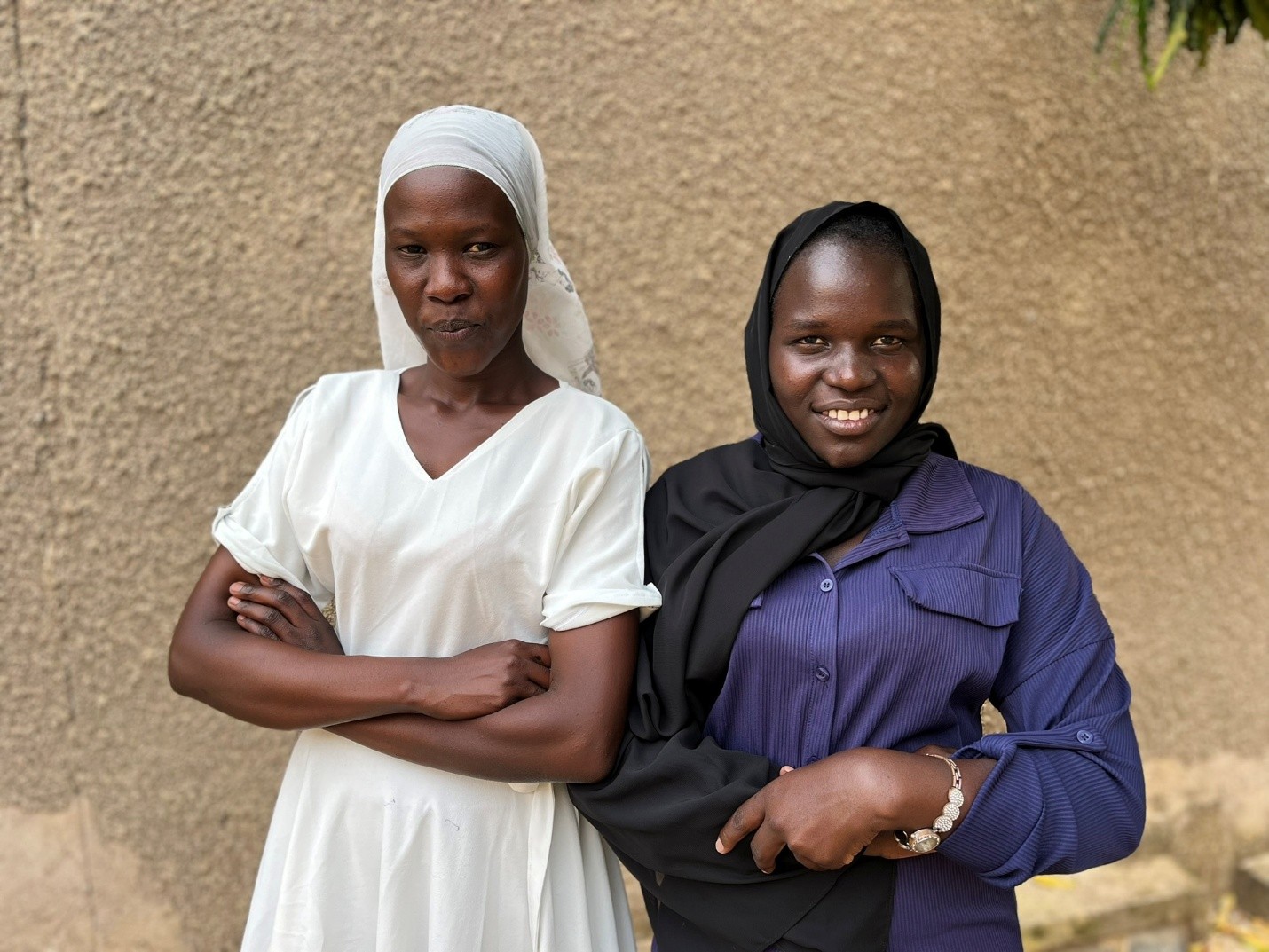
Based on interviews conducted with Mourine, a 21-year-old youth leader, and Vivian, a 24-year-old youth leader, this article highlights the experiences of adolescents and the impact of the Olu Alu Campaign in northern Uganda.
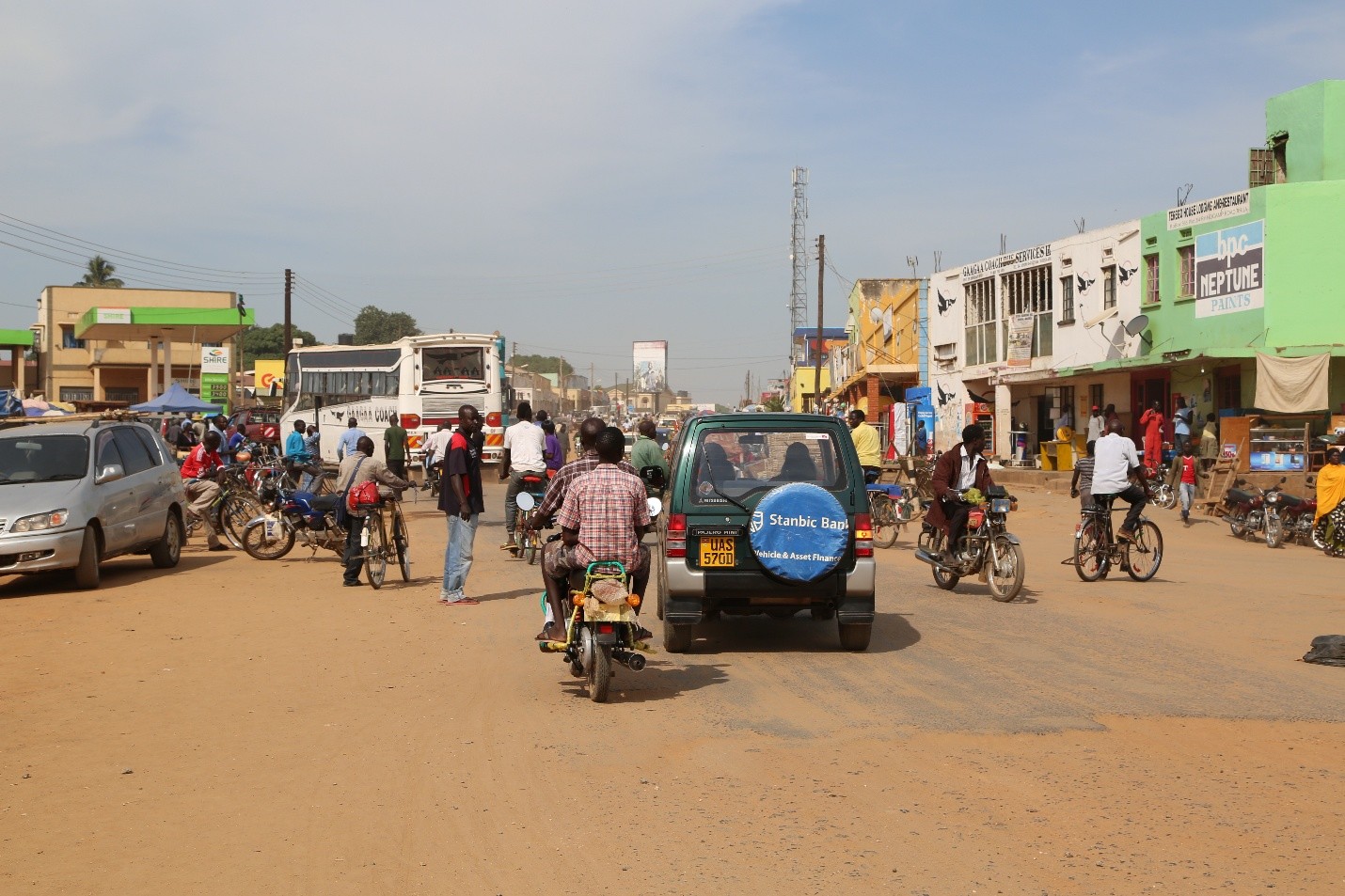
“We came to understand and realize that we are going through the same problems… If they got that courage, if they can make change there, we too can also do something and stand strong.”
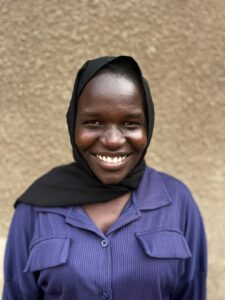
These are words from Mourine, a 21-year-old youth leader from Arua District, which captures the spirit of Olu Alu. Olu Alu means “you can, we can” in the Madi language, commonly spoken in Moyo and Obongi districts. It’s a youth-led initiative that supports young people — particularly young women — to remain engaged in education, challenge harmful social and gender norms, and develop the leadership skills needed to drive positive change within their families and communities.
For the past three years, adolescent girls and boys in Uganda’s West Nile region have been leading a movement to challenge harmful gender and social norms in their communities. The initiative began in the Moyo and Obongi districts and later expanded to Arua City and Yumbe, driven by young people who recognized that the challenges they faced were shared across districts.
In the West Nile region, which borders South Sudan and the Democratic Republic of Congo, communities face multiple structural challenges that affect young people’s quality of life. The area’s history of conflict and displacement, combined with underinvestment in schools and youth services, has left young people particularly vulnerable. These challenges are compounded by climate shocks such as extreme heat and seasonal flooding, and by the region hosting a large refugee population. At the same time, funding cuts have forced many organizations to scale back or leave the region, reducing support for programs across the board.
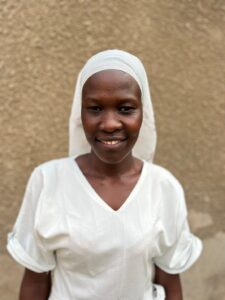
In this context, Vivian, a 24-year-old youth leader, shared how the campaign created a new sense of responsibility and possibility for young people, particularly those at risk of dropping out of school. Through conversations about peer influence and education, she began to reflect on her own family and recognized the impact she could have beyond herself. She described supporting her younger sister, who had struggled to progress in class, by offering guidance and redirecting the small transport and lunch stipends she received through a training course toward her sister’s school fees, even while earning little herself. This decision marked a turning point for Vivian, who came to see supporting others as both necessary and possible. As she reflected, she had become her sister’s “destiny helper.”
Mourine and Vivian discussed widespread and interconnected challenges that are confronting adolescents across West Nile, from school dropouts, early marriage, unplanned teenage pregnancy, substance use, gender-based violence, and stigma around menstruation. These challenges are connected to gender norms that limit girls’ access to education and prevent youth from participating fully in community life. Rather than addressing these issues in isolation, the youth-led Olu Alu Campaign created safe spaces for young people to speak openly with peers, carry these discussions into their homes, and engage parents, teachers, and local leaders in finding solutions.
Before stepping into their roles, youth leaders participated in targeted trainings that helped them build the skills needed to facilitate discussions, engage peers and adults, and address sensitive topics within their communities. These sessions emphasized listening, reflection, and shared responsibility, helping young people understand their role as community connectors and role models. With this model, youth were able to confidently create and sustain spaces for dialogue rooted in trust and mutual respect.
Youth leaders in Olu Alu led a variety of activities to reach their communities. They organized community dialogues, school talks, theatre performances, and produced radio programs to share key messages. These messages were delivered through music, drama, debates, and even radio episodes broadcast by boda-bodas — motorcycle taxis widely used across East Africa, particularly in Uganda. These locally relevant approaches helped the campaign reach people in their daily routines, creating opportunities for conversation and reflection. By the end of the funding cycle, the radio program had indirectly reached over 1.5 million people, while more than 1,150 adolescents — 466 boys and 687 girls — actively participated in school debates and community activities, exposing over 5,000 students to key messages about education, reproductive health, and gender equality.
The Olu Alu song emphasizes coming together in unity, repeating the chorus of “I can, we can, come together as one, Olu Alu”. The campaign had the goal of every Olu Alu leader and participant to play the song to at least one person to spread the message as far and wide as possible.
According to Mourine and Vivian, young women, especially those supported by Restless Development — a local organization, became champions within their communities, sharing what they had learned with hundreds of peers and inspiring many young people. These efforts sparked conversations at home as well: parents began calling the youth leaders to discuss the program, attending school meetings, and supporting their children in practical ways, such as paying school fees. One parent even asked where to find the girls performing the Olu Alu song, wanting to watch the accompanying video — a small but telling sign of how the community was embracing and owning the change.
Mourine and Vivian reported that youth-led activities, from school debates to radio programs, not only raised awareness across communities but also gave participants the opportunity to practice leadership, communication, and problem-solving. Taking responsibility for engaging peers and influencing parents helped young people realize the impact they could have, strengthening their confidence and sense of agency. Participation in Olu Alu helped youth develop lasting skills they could apply in other areas of life. Mourine describes how the campaign changed the way she engages with her community: “Nowadays I don’t have fear to speak in front of people… [Olu Alu] has made me become a leader anywhere I go.”
Beyond education, Olu Alu youth leaders also shared lessons around livelihoods, encouraging peers to support themselves through small, practical activities such as selling charcoal or fetching water. These exchanges reinforced the idea that change could begin with everyday actions and be passed from one young person to another.
According to Mourine and Vivian, Olu Alu went beyond individual behaviour change by addressing the structural and social pressures shaping young people’s lives, including poverty, parental neglect, gender norms, and menstrual stigma. Youth actively engaged parents, elders, teachers, and community leaders to identify practical solutions. Discussions also encouraged young women to recognize their voice and agency, as Mourine reflects:
“There are women who thought they were voiceless, whose husbands had run over their choices. But now they see that what a man can do, a woman can also do. They realized they have a say in Uganda and in the world, and that by speaking up about what hurts them, they can make change happen.”
Mourine and Vivian described visible shifts in their communities, including reductions in early marriages and drug use, more open communication within families, increased parental support, and stronger peer support networks. Importantly, youth-led initiatives have continued beyond the formal project cycle, with young people sustaining dialogue, offering guidance to peers, and stepping in when support is needed.
As reflected by Mourine and Vivian, the Olu Alu Campaign demonstrates the power of trusting youth to lead change in their own communities. As Vivian explains, “Olu Alu has changed me, and I will keep changing others. Now, when there’s a problem, parents can call on us — we listen, guide, and help bring their minds closer to understanding and solutions.”
For Mourine, Vivian, and other youth leaders, Olu Alu was not a short-term project but the beginning of a lasting commitment — one that continues to shape how they lead, speak, and support others in northern Uganda.
Olu Alu is a sub-project of the Adolescent Girls’ Education in Crisis Initiative (AGENCI) and Foundations for Education and Empowerment program (F4EE), funded through Global Affairs Canada (GAC), and implemented in partnership with the Aga Khan Foundation (AKF) Uganda and Restless Development. While the formal funding cycle concluded in 2025, youth leaders continue to engage with adolescents in their communities, sustaining dialogue and mentoring their peers.