The Adolescent Girls’ Education in Crisis Initiative (AGENCI)
AGENCI is a project to empower adolescent girls and female youth pursuing an education in crisis-affected areas.
The challenge: We have seen significant reductions in global poverty since 1990, but not everyone has benefitted equally. Hundreds of millions of women and girls are still poor and remain disproportionately affected by poverty, including unequal access to resources, opportunities, and choices. According to UN women, not a single country in the world can claim to have achieved gender equality. Women and girls continue to face obstacles in law and culture which translate to a world where they are undervalued, work more, earn less, have fewer choices, and experience violence at home and in public.
Our solution: We strive towards a future where gender does not determine status, power to make decisions, or access to resources and services – a world where women, men, girls, and boys can all reach their full potential. We promote gender equality in all of our programs by engaging women and men, girls and boys, to address the underlying beliefs and practices that create and reinforce gender inequalities. We also empower the disadvantaged, whether male or female, to develop confidence and skills and take control over their lives, and invest in institutions and relationships that facilitate an environment that supports gender equality.
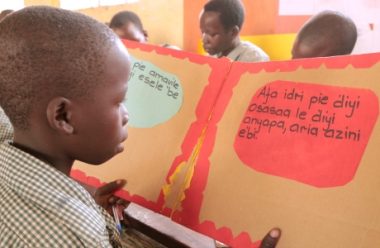
AGENCI is a project to empower adolescent girls and female youth pursuing an education in crisis-affected areas.
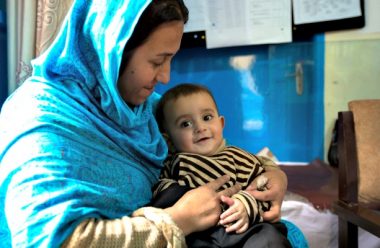
F4HE aims to improve the health and well-being and enhance equitable development and empowerment of women and girls.
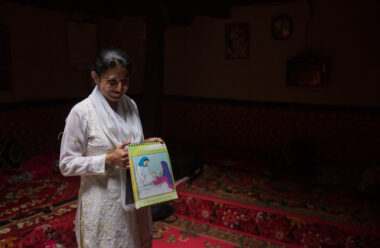
“When I was pregnant, I used to work full time, even until the ninth month… My husband encouraged me. My
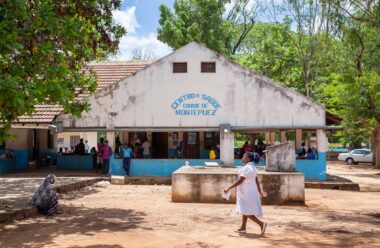
Programming supported by AKFC and the Government of Canada aims to improve the sexual and reproductive health and rights of some of the most vulnerable women and adolescent girls in the Cabo Delgado province of Mozambique, one of the poorest regions in the world.
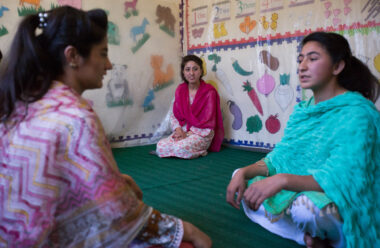
“We don’t need to prove that women are strong. Women are already strong. Our mission is to change the perception
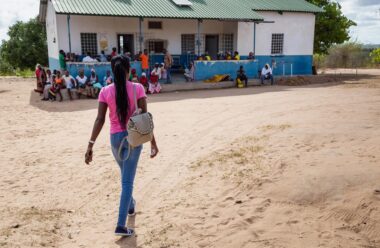
“Since I was seven, that was my dream. To become a nurse. I had a grandfather who was also a
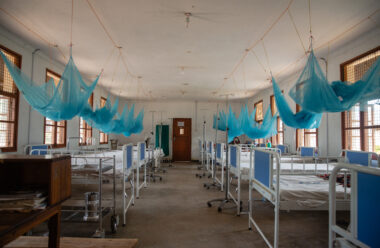
“The challenge of being a female doctor is that many of the patients come and instead of calling you doctor,
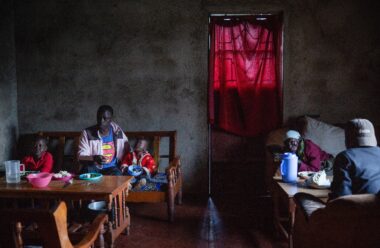
“They used to deliver at home and everything ends there. But with me, the difference is that I take my
“This is the largest hospital in the region, it’s actually the sub-county hospital, meaning that it gets referrals from all