Rhythm and roots: Meet Kashif in Pakistan
Cultural heritage provides a sense of belonging and continuity, connecting people with their past, and shaping their future. Hunza is
The challenge: We have seen significant reductions in global poverty since 1990, but not everyone has benefitted equally. Hundreds of millions of women and girls are still poor and remain disproportionately affected by poverty, including unequal access to resources, opportunities, and choices. According to UN women, not a single country in the world can claim to have achieved gender equality. Women and girls continue to face obstacles in law and culture which translate to a world where they are undervalued, work more, earn less, have fewer choices, and experience violence at home and in public.
Our solution: We strive towards a future where gender does not determine status, power to make decisions, or access to resources and services – a world where women, men, girls, and boys can all reach their full potential. We promote gender equality in all of our programs by engaging women and men, girls and boys, to address the underlying beliefs and practices that create and reinforce gender inequalities. We also empower the disadvantaged, whether male or female, to develop confidence and skills and take control over their lives, and invest in institutions and relationships that facilitate an environment that supports gender equality.
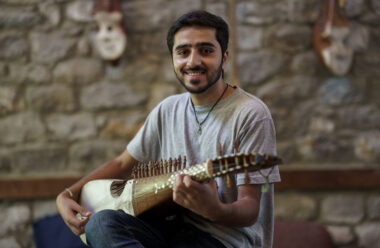
Cultural heritage provides a sense of belonging and continuity, connecting people with their past, and shaping their future. Hunza is
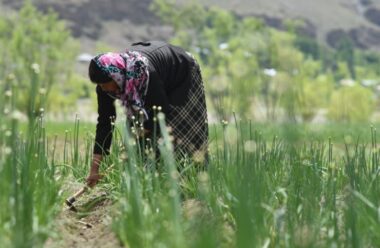
Duration: 2025-2029 Location: Afghanistan (Kabul, Badakhshan, Baghlan, Takhar, Kundoz, Samangan, Daikundi, and Parwan provinces) Reach: 45,505 people (35,084 women, 10,421 men) Budget: $17.9
Digital technology has transformed the ways we live and work, providing new pathways for social and economic opportunity. But in
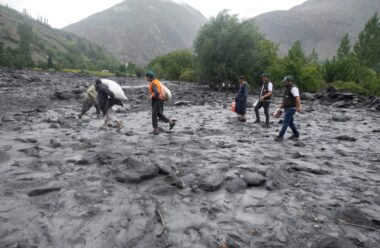
Duration: 2025-2028 Location: Pakistan Reach: 681,940 people (464,550 F, 217,390 M) Budget: $16.5 million CAD (Global Affairs Canada: $15 million; AKFC: $1.5 million)
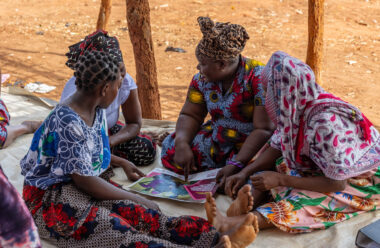
Duration: 2025-2032 Location: Kenya (Kilifi), Mozambique (Cabo Delgado) Reach: 457,996, including women ages 20-49 and adolescent girls ages 10-19 Budget: $25 million CAD ($22.5
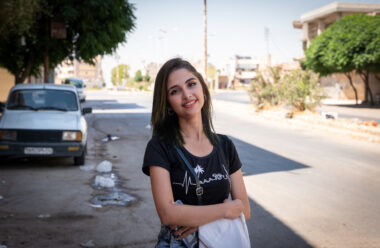
Areej is a 24-year-old woman who has struggled to find a job. Like many young people in Syria, she’s felt
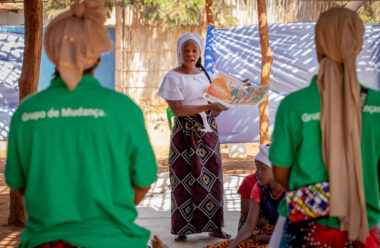
Gender inequality, often rooted in unequal sociocultural norms, is a daily challenge in Mozambique’s northern province of Cabo Delgado. To
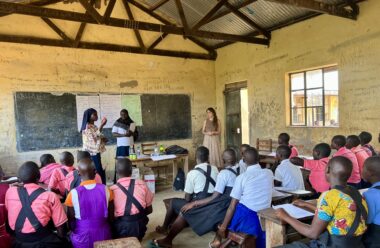
Sarah Abbott was placed in Kampala, Uganda, as part of AKFC’s International Youth Fellowship program. Never did I predict that
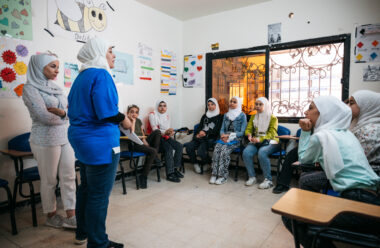
In times of conflict, education is often one of the first things to be disrupted – and girls are most