Meet two women in Tanzania redefining leadership in their communities
Along a dusty road and under the blazing sun, Coletha walks door to door, visiting homes around Nanyati, a village
The challenge: We have seen significant reductions in global poverty since 1990, but not everyone has benefitted equally. Hundreds of millions of women and girls are still poor and remain disproportionately affected by poverty, including unequal access to resources, opportunities, and choices. According to UN women, not a single country in the world can claim to have achieved gender equality. Women and girls continue to face obstacles in law and culture which translate to a world where they are undervalued, work more, earn less, have fewer choices, and experience violence at home and in public.
Our solution: We strive towards a future where gender does not determine status, power to make decisions, or access to resources and services – a world where women, men, girls, and boys can all reach their full potential. We promote gender equality in all of our programs by engaging women and men, girls and boys, to address the underlying beliefs and practices that create and reinforce gender inequalities. We also empower the disadvantaged, whether male or female, to develop confidence and skills and take control over their lives, and invest in institutions and relationships that facilitate an environment that supports gender equality.
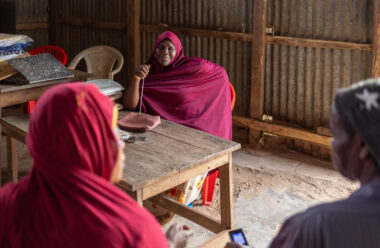
Along a dusty road and under the blazing sun, Coletha walks door to door, visiting homes around Nanyati, a village
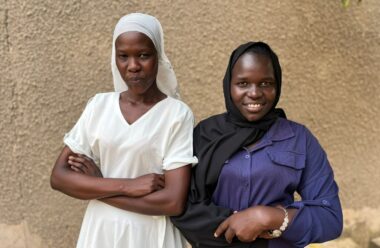
This article was written by Joy Stalteri-Roberts, an AKFC International Youth Fellow who is currently working in Uganda. Based on
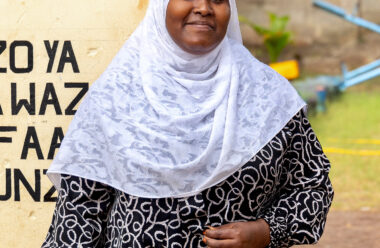
Vibrant. Playful. Creative. Colourful. These are the words that come to mind when you first step into Teacher Sauda’s classroom.
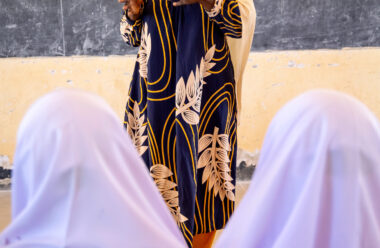
In many rural Tanzanian communities, deeply rooted gender norms continue to limit women’s economic and social agency. But in Mtwara,
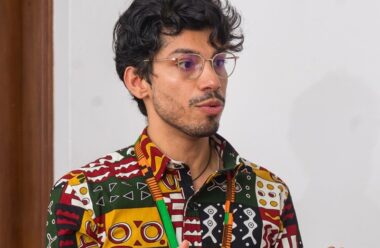
Muhammad is a development professional from Alberta, who participated in AKFC’s Canadian Development Exchange. In a conversation with AKFC, he
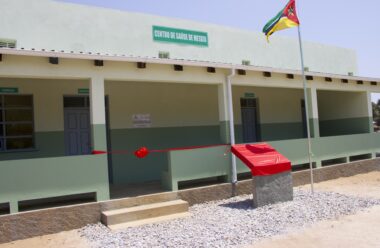
A mother takes her infant for a health check-up in Upajo Village, Mozambique, July 2024. Photographer: Rich Townsend At the
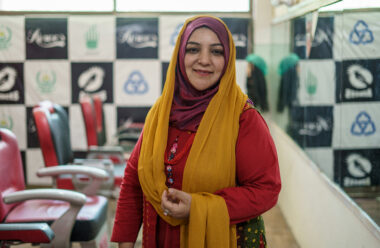
In Pakistan, women face significant barriers to entering the workforce, such as lack of access to education, training, and financial
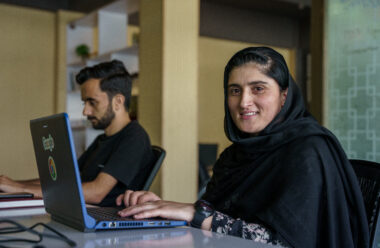
Digital technology has transformed the ways we live and work, providing new pathways for social and economic opportunity. In Pakistan,
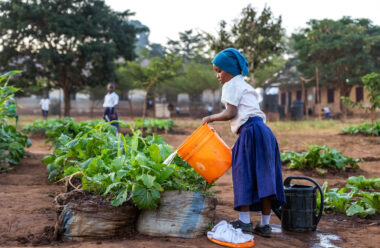
Like thousands of other primary students in rural Tanzania, 12-year-old Sharifa was often in-and-out of school. Sharifa lives in Mnacho,