The challenge: The issue of economic exclusion is a stark one: The number of unemployed youth globally is estimated at 71 million, with many regions recording a youth unemployment rate twice as high as adults. Many more young adults are underemployed, falling into the category of “working poor.” Over 40 percent of women remain outside of the formal financial system. These exclusions result in hardship at the household level, and slower growth of the global economy.
Our solution: We work on multiple fronts to create opportunities for all to build a more prosperous future. Our programs address a wide spectrum of needs, from community-based savings groups to financial services, and support to women and youth entrepreneurs. We invest in innovative, market-focused initiatives that build the knowledge, skills, and institutional capacities to promote sustainable economic growth in remote or marginalized communities.
Duration: 2017-2020 Location: Afghanistan, Tajikistan Reach: 51,175 people Budget: $2.2 million (International Development Research Centre: $1.5 million; AKFC: $500,000; Ministry of
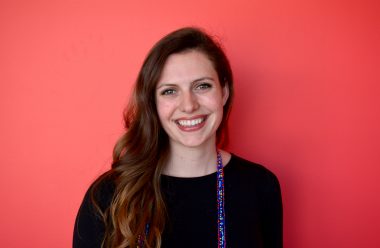
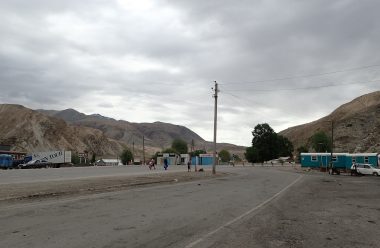
Rachel Mather was part of the 2016-2017 cohort of the International Youth Fellowship Program. She was placed with First Micro Credit Company in Osh, Kyrgyz Republic.
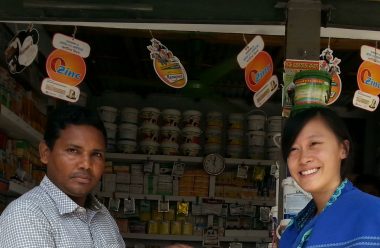
I’ve been in Bangladesh for more than two months now, working with CARE Bangladesh on their programming to help rural farmers improve their agricultural practices – and incomes.
The Smart Campaign is a global effort spearheaded by the Center for Financial Inclusion, dedicated to “uniting microfinance leaders around a common goal: to keep clients as the driving force of the industry” – by following principles designed to help microfinance institutions practise good ethics and smart business.
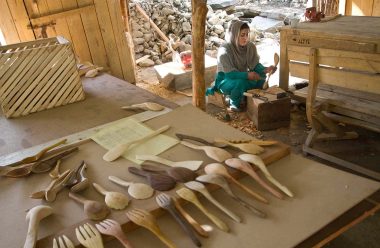
Several wooden spoons and forks are perched on a table as Fatima puts the finishing touches on another one. Around her, other carpenters are carving signs, measuring material, and smoothing out large pieces of wood for new projects.
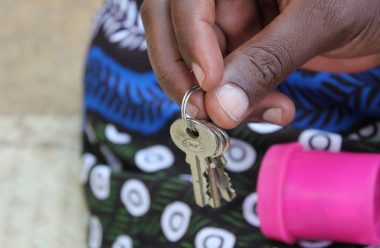
These are the keys to a lockbox where 12 members of a savings group in Mozambique are investing their earnings. With the return on their investments, they have been able to make basic improvements to their homes, like a freezer, an oven, a table and chairs, bowls and plates, and a roof that doesn’t leak.