We are there
For vulnerable communities in remote, high mountain valleys across Central Asia, lives are changing.
The challenge: Worldwide, 600 million children and teenagers fail to reach basic levels of learning proficiency. Nearly half of them remain out of school. However, even those in school are not being prepared to succeed in or contribute to society. Among illiterate youth, nearly two out of three are girls – a fact that has remained largely unchanged for the last 20 years. These gaps in education translate to a world where people of all ages are left out of opportunity, and do not reach their full potential as adults.
Our solution: We strengthen education systems to equip girls and boys with the knowledge and skills to help them interact effectively with the world and contribute to a pluralist society. From preschool programs to advanced education for adults, our investments train teachers and administrators, and improve classrooms and schools, with a focus on dismantling the barriers to education for women and girls. We support policy and research to develop and scale affordable, innovative solutions that raise the quality and accessibility of public school systems for the most marginalized children worldwide.
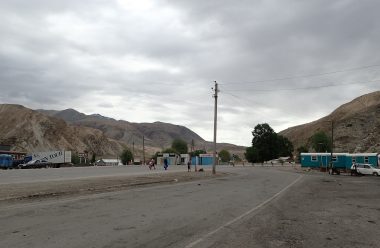
For vulnerable communities in remote, high mountain valleys across Central Asia, lives are changing.
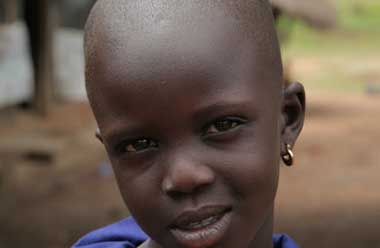
There are four tall trophies on Yadah Mouzamin’s desk at Nyai Primary School. They are a dull gold and have masking tape labels, the one I can see reading “U14 Boys 2016 Champions.”
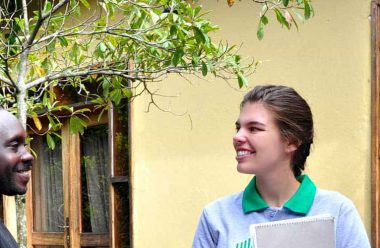
Laura Fortin – a native of Montreal – was an International Youth Fellow in 2015-16. She was placed in Uganda for eight months to support Aga Khan Foundation’s education programming in the region, and still lives there today.
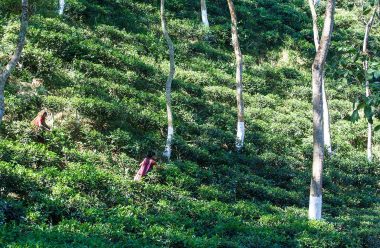
I began my formal education with expulsion from preschool.
I redeemed myself by succeeding in primary school, phew. While primary school graduation is essentially a universal achievement in Canada, some Bangladeshi children face many barriers to reaching even this level of education.
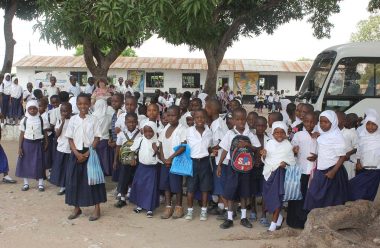
On February 22 of this year, I woke up like every other day. I had a coffee, took a shower, and ate breakfast. Except that day I drove five hours to a small rural town in Tanzania called Kilwa to see how Canadians are improving the quality of education for children in East Africa.
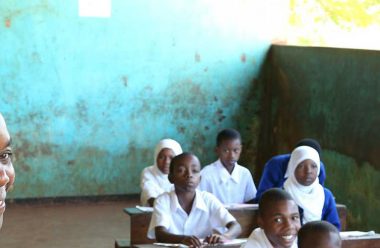
We all have a favourite teacher from when we went to school. They inspired in us a sense of boundless wonder, and motivated us to reach new heights.
AKFC works with partners in Bangladesh to improve access to quality early childhood care in some of the country’s most vulnerable communities.
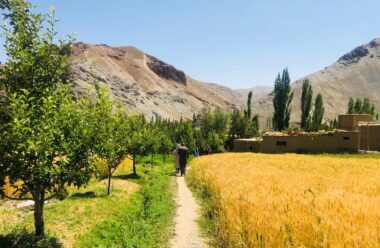
In Afghanistan’s rural northern provinces, the barriers to educating girls are diverse and always changing – but often, the solutions are simple.
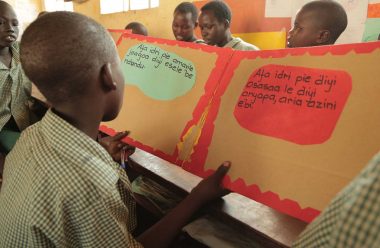
For Betty and Acidiri, reading together is about more than quality family time. Acidiri’s teachers encourage all the parents in the community to read with their children – a strong predictor of academic success later in life.